BR1 removals tips for central Bromley moves: a practical guide for a calmer, better-planned move
Moving in BR1 can feel deceptively simple on paper, then suddenly you're dealing with tight streets, awkward parking, shared entrances, lift bookings, and a pile of boxes that seems to breed overnight. If you're looking for BR1 removals tips for central Bromley moves, you probably want more than generic moving advice. You want local, usable guidance that helps you avoid the small problems that become big ones on moving day.
This guide is built for that exact situation. Whether you're moving from a flat near Bromley town centre, a family house on a busy road, or a smaller property where access is a bit fiddly, the aim is to help you plan properly, pack smarter, and keep the move moving. We'll cover what matters most in central Bromley, how the process usually works, the mistakes people make, and the practical steps that save time and stress. Simple enough. But in moving, simple is good.
Why BR1 removals tips for central Bromley moves Matters
Central Bromley has its own moving rhythm. It's lively, busy, and very practical in the way only a town centre can be. That also means removals there can be a bit less forgiving than in quieter suburban streets. A van that blocks the road for ten minutes too long, a stairwell that feels narrower than you expected, or a loading bay that's already occupied can ripple through the whole day.
That is why local moving advice matters. A move in BR1 is not just about lifting furniture from one address to another. It's about planning around access, timing, neighbours, parking, and the fact that central areas often have more foot traffic and more interruptions. If you've ever watched a sofa get halfway through a hallway and realised the turn is a tighter than the measurements suggested, you'll know the feeling. Not ideal.
The right approach reduces stress in a few ways:
- It helps you estimate the time and effort realistically.
- It cuts the chance of damage to furniture, walls, and door frames.
- It makes loading and unloading much smoother, especially in flats and mixed-use buildings.
- It improves communication between you, your movers, and anyone managing the building.
For many people, central Bromley moves also sit in a tricky middle ground: they are local enough to be manageable, but busy enough to need proper planning. That is the bit people often underestimate. A local move still needs structure.
How BR1 removals tips for central Bromley moves Works
At its core, a good move in BR1 follows a simple pattern: assess the property, prepare the items, plan the route, and load in a sensible order. The details are what make the difference. A professional team will usually start by understanding the access at both addresses, the volume of belongings, and whether anything needs extra handling such as fragile items, bulky furniture, or white goods.
If you're using removals support rather than handling everything yourself, the process tends to become more orderly straight away. A clear plan means the right vehicle, the right number of movers, and the right packing approach can be matched to the job. It sounds obvious, but many delays come from the wrong assumptions at the start.
In central Bromley, removals often work best when everything is broken into small, visible actions:
- Confirm the moving date and access times for both properties.
- Check whether parking, loading, or lift access needs to be arranged in advance.
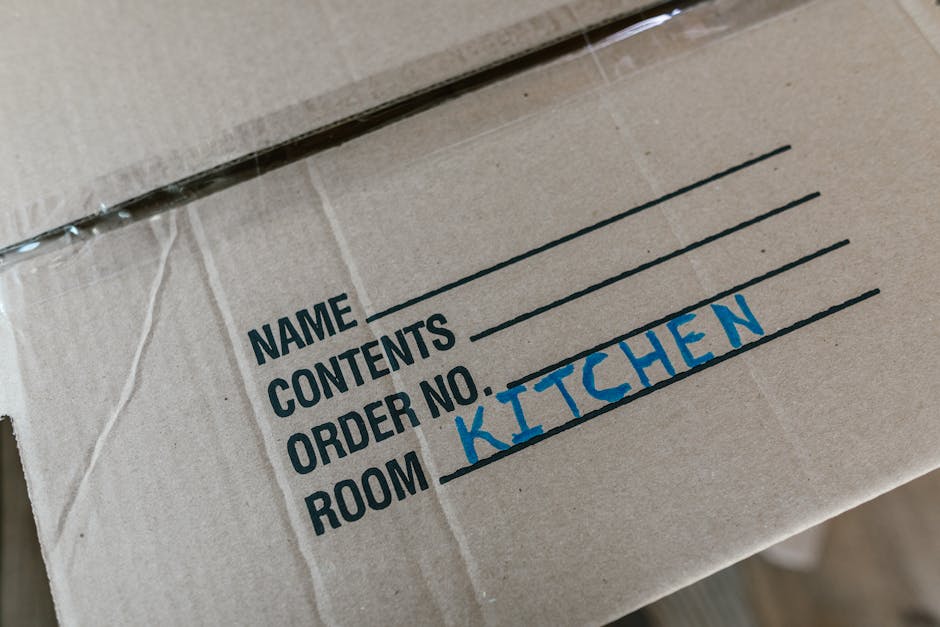
- Pack room by room, labelling boxes clearly.
- Prepare a separate essentials bag for the first 24 hours.
- Load the vehicle in a sequence that protects fragile and awkward items.
- Unload with the destination layout in mind, not just wherever a box happens to land.
That final point matters more than people think. A move feels calmer when boxes go straight to the right rooms. Otherwise you're spending your evening wandering around with a box of kettles, plates, chargers, and "miscellaneous cables" that somehow always multiply. We've all seen it.
If you need help with boxes and wrapping materials, packing and boxes support can make a surprisingly big difference to the finished job, especially if you're trying to protect glassware, books, kitchen items, or anything with an odd shape.
Key Benefits and Practical Advantages
The best reason to follow proper BR1 moving tips is simple: you save time, money, and energy. But the benefits go beyond that. A well-managed move is less chaotic, and once one part of the day goes wrong, everything else tends to feel harder. A good plan stops that domino effect.
- Less stress: You know what's happening, when it's happening, and who is doing what.
- Better protection: Items are less likely to be scratched, dropped, or squeezed through a doorway at the wrong angle.
- Fewer delays: Good access planning means your team can keep moving instead of waiting around.
- More control over costs: Time lost on the day can increase the overall cost of a move, so efficiency helps.
- Cleaner unpacking: Clear labels and room-by-room packing make the new place usable faster.
There's also a psychological benefit, if that's the right word. When the move is organised, the whole thing feels less like a crisis and more like a project you can finish. That sounds small, but on moving day it matters. People breathe easier when they can see the shape of the day.
For people moving from a house, a trusted house removals service can be particularly helpful if there are stairs, heavier furniture, or a lot of mixed household contents to manage.
Who This Is For and When It Makes Sense
These tips are useful for a wide range of movers, but especially for anyone dealing with central Bromley's busier streets or more compact properties. If you are moving from a flat, a maisonette, a shared house, or a family home close to the centre, you will probably recognise the challenges straight away.
This approach makes sense if you are:
- moving within BR1 and want to reduce disruption;
- moving into or out of a flat where access is limited;
- trying to coordinate work, school runs, or childcare around the move;
- moving furniture that is large, fragile, or awkward to carry;
- using a shorter hire window and need the move done efficiently;
- wanting a more affordable option that still feels organised.
Students, first-time buyers, renters, and families all tend to benefit from different parts of the same advice. Students usually need speed and simplicity. Families need structure and safety. Flat movers need access planning. Office movers need timing and coordination. Truth be told, the basics are similar, but the pressure points change.
If your move is a smaller one, a man with van option can suit lighter loads, short distances, and quick local transport. If the move is larger or more layered, you may need a fuller team and vehicle setup.
For compact properties, especially in shared buildings, flat removals guidance is often the most relevant because stairs, lift access, parking, and neighbour awareness become part of the plan, not afterthoughts.
Step-by-Step Guidance
Here's a practical way to organise a BR1 move without overcomplicating it.
1. Start with access, not boxes
Before you tape a single box, check the access at both properties. Where will the vehicle stop? Is there a narrow road? Are there loading restrictions? Is the lift booked? Can the front door stay open briefly while items are moved? These questions sound dull until the moving team is standing on the pavement wondering how to get the sofa in.
2. Sort out your belongings by priority
Think in three groups: essentials, everyday items, and everything else. Essentials are your documents, chargers, toiletries, snacks, medication, keys, and bedding. Everyday items are the things you need in the first couple of days. Everything else can wait a little longer. That split alone makes unpacking less painful.
3. Declutter before packing
Moving is one of the few times when it feels genuinely worth being ruthless. If you haven't used something for a year, ask whether it deserves the space, the wrapping paper, and the transport space. Items in decent condition can sometimes be passed on through furniture collection or reuse routes rather than being carried to the new place for no reason.
When furniture is no longer needed, furniture removals support can help you move it out efficiently rather than leaving you to wrestle with it on your own. If a piece is small enough for quick collection, furniture pick up can also be a practical option.
4. Pack by room and label properly
This is one of those tasks people rush and then regret later. Write the room name and a few key contents on each box. "Kitchen - mugs and plates" is better than "misc." "Bedroom - winter clothes" is better than "stuff." You don't need to be artistic. Just clear.
5. Protect fragile and awkward items
Wrap glass, lamps, mirrors, and electronics carefully. Fill empty space so items don't shift in transit. For heavy or valuable items, use strong boxes and avoid overpacking. A box that looks neat but weighs a ton is the kind of small joke movers never enjoy.
6. Decide what needs specialist handling
Some items need more than standard loading. Pianos, for example, are a different conversation altogether, and they should be treated that way. If you have one, piano removals is the sensible route rather than hoping a few strong arms will do the trick. The same applies to oversized wardrobes, antique furniture, and delicate glass cabinets.
7. Prepare the destination before arrival
Clear corridors, unlock doors, protect floors if needed, and decide where large items will go. A little staging at the new place stops unnecessary shuffling later. You do not want three people carrying a mattress through the hall while someone decides where the lamp should live.
8. Keep communication open on the day
Send a quick update if there's a delay, a parking issue, or a change at either address. Small communication gaps are where moving schedules slip. A calm text or call often solves a problem before it becomes one.
Expert Tips for Better Results
These are the small adjustments that often make the biggest difference in central Bromley moves.
- Book earlier than you think you need to. Central areas can get busy, and good slots go quickly.
- Measure awkward items twice. Door widths, stair turns, and lift sizes matter more than rough guesses.
- Keep a "do not load" pile. Keys, phones, chargers, paperwork, and valuables should stay with you.
- Use clear colour labels. A sticker system can be faster than reading every box in a rush.
- Pack a simple tool kit. Screwdrivers, tape, scissors, bin bags, and a hex key set are handy on arrival.
- Think in sequences. Load the least fragile items first, then build around the heavier pieces, with the delicate stuff secured last.
Here's a small one, but worth it: keep an old towel or blanket handy for last-minute wrap protection. It's not glamorous, but it saves door frames and nerves. In our experience, the boring stuff often earns its keep.
If you are comparing moving options, removal services can offer a broader level of help than a simple transport-only booking, while a man and van setup can be a better fit for lighter, more flexible jobs.
Common Mistakes to Avoid
A lot of moving stress comes from avoidable issues rather than bad luck. The main traps are familiar, and once you know them, they're easier to dodge.
- Leaving packing too late: Last-minute packing leads to poor labelling and broken items.
- Underestimating access problems: A "short walk" from van to door can become very long when it involves stairs and a tight corner.
- Overfilling boxes: Heavy boxes are harder to carry safely and more likely to fail.
- Not checking parking or loading space: This is a classic source of delay in central areas.
- Forgetting essentials: If the kettle, bedding, or toilet paper goes missing, the first night feels longer than it should.
- Assuming all movers handle the same things the same way: Some jobs need a bigger vehicle, extra people, or specialist handling.
A particularly common one in BR1 is assuming central location means short job, full stop. Sometimes yes. Sometimes no. A modest number of items can still take time if access is awkward or the building has restrictions. That part catches people out more often than they'd like to admit.
Tools, Resources and Recommendations
You do not need fancy equipment to move well. But a few basic tools and supports make life easier.
- Strong tape and labels: Keep boxes sealed and clearly identified.
- Bubble wrap or paper wrap: Good for fragile items, frames, and glassware.
- Furniture blankets: Useful for larger items and surfaces that scratch easily.
- Hand trolley or sack barrow: Helpful for heavier boxes and appliances where appropriate.
- Storage boxes and organisers: Useful for cables, screws, and small parts from dismantled furniture.
For people with timing gaps between move-out and move-in dates, storage can bridge the awkward middle period. That can be especially useful if your completion date slips, your new place isn't ready, or you simply want to stage the move in phases.
If you are moving a business rather than a home, office removals and commercial moves are worth considering because they are designed around downtime, equipment handling, and business continuity. Different job, different headaches.
And if you just want a practical quote conversation rather than guessing costs in your head, the pricing and quotes page is a sensible place to start.
Law, Compliance, Standards, or Best Practice
Moving home or office in the UK does not usually require the reader to become a compliance expert overnight, thankfully. But there are still some standards and best-practice points worth keeping in mind, especially for safety and fair service.
First, a mover should treat items and property carefully, work safely, and explain any practical limitations clearly. That includes being transparent about access issues, vehicle size, and what is or isn't included in the move. It also means handling property responsibly when stairs, tight entrances, or shared spaces are involved.
Second, for business customers, planning should respect building rules, access timings, and any landlord or management requirements. Office moves tend to need tighter coordination, and the quality of preparation often determines how much disruption the move creates.
Third, safety matters. Proper lifting technique, sensible load distribution, and secure transport are not just good habits; they are basic expectations. If a company sets out its approach to safety and insurance, that should be taken seriously. On this website, the insurance and safety information and the health and safety policy are useful reference points for understanding how careful handling should be approached.
Finally, if you are arranging a move with any provider, read the terms properly. Boring, yes. Necessary, also yes. This is where cancellations, access assumptions, and included services are usually clarified. A quick look now can save a long headache later.
Options, Methods, or Comparison Table
Different BR1 moves call for different setups. Here's a straightforward comparison to help you choose the most sensible approach.
| Option | Best for | Strengths | Watch-outs |
|---|---|---|---|
| Man and van | Small to medium local moves, flexible timing | Quick, practical, usually cost-conscious | May be less suitable for larger homes or lots of bulky furniture |
| Full removals team | Family homes, heavier loads, more complex access | More support, better for a full-house move | Usually needs more planning and may cost more than a small-van option |
| Storage plus phased move | Delayed completions or staggered handovers | Creates breathing space, reduces pressure on the day | Requires extra coordination and a clear sequence |
| Specialist handling | Items like pianos, antiques, or unusually bulky furniture | Better protection and safer handling | Needs advance notice and the right equipment |
If you are unsure which option fits your move, a shorter local move may work well with a removal van, while more demanding jobs may need a larger vehicle. For some situations, removal truck hire is the better fit, especially where volume is the main challenge.
Case Study or Real-World Example
Imagine a couple moving from a third-floor flat near central Bromley into a nearby terraced house. On paper, the distance is tiny. In reality, the flat has a narrow staircase, street parking is tight by lunchtime, and there's a sofa that looked perfectly reasonable in the living room but becomes a problem the second it reaches the landing.
What makes the move smoother in a case like that? A few unglamorous decisions:
- They booked a morning slot, before the street got busier.
- They measured the sofa, the stair turns, and the hallway at the new place.
- They labelled boxes by room rather than by general content.
- They packed a separate overnight bag, so they weren't hunting for toothbrushes at 10pm.
- They moved non-essentials to one side early, which gave the movers a clear route.
The move still took effort. Of course it did. But it went from feeling tense to feeling manageable. That's the real win here. Not perfection. Just fewer surprises and a day that feels under control.
If the same couple had been moving a larger family home, they might have benefitted more from home moves support or even a fuller service through house removalists if they wanted more hands on deck.
Practical Checklist
Use this checklist in the final week before your BR1 move.
- Confirm dates, times, and access arrangements for both addresses.
- Check parking or loading arrangements for the moving vehicle.
- Measure large furniture and narrow access points.
- Finish most packing at least a day before the move if possible.
- Label every box clearly with room and contents.
- Set aside documents, keys, chargers, medication, and valuables.
- Prepare bedding, toiletries, and basic kitchen items for the first night.
- Disconnect appliances in good time where needed.
- Protect fragile items and empty drawers where appropriate.
- Clear hallways and doorways at both properties.
- Keep phone numbers and order details handy.
- Walk through both properties at the end to make sure nothing has been left behind.
One tiny but useful tip: take a photo of cable setups before unplugging anything. It saves a lot of fiddling later, especially with TVs, routers, and desk setups. Very ordinary advice, very effective.
For smaller moves or student-sized loads, student removals can be a practical route. If timing is tight and you need help on short notice, same day removals may be relevant in some situations, though availability will naturally depend on the booking.
Get a free quote today and see how much you can save.
Conclusion
Central Bromley moves do not have to feel chaotic. With the right BR1 removals approach, you can turn a busy day into a structured one: check access early, pack with intention, protect the awkward items, and choose the right support for the size of the job. That is really the heart of it.
Good removals planning is rarely dramatic. It's a series of sensible little choices made at the right time. But those little choices add up. And when you're standing in your new place with the kettle on, the boxes stacked neatly by the right rooms, and the hard bit done, you'll be glad you bothered.
Moving is a lot, let's face it. But it is also one of those tasks that becomes much lighter when someone has thought it through properly. That's the version worth aiming for.
Frequently Asked Questions
What are the best BR1 removals tips for central Bromley moves?
The best tips are to plan access early, pack room by room, label clearly, check parking or loading space, and keep essentials separate. In central Bromley, timing and access usually matter just as much as packing.
How early should I book a removals service in BR1?
As early as you can, especially if you need a specific date or if your move involves flats, parking restrictions, or bulky items. Busy local periods can fill up quickly, so leaving it too late can narrow your options.
Is a man and van enough for a central Bromley move?
It can be, if the move is small, local, and straightforward. A man with a van setup is often suitable for compact loads, but larger homes or awkward access may need more support.
What should I do if my flat has narrow stairs or no lift?
Measure large furniture in advance, tell the movers about the access issue, and make sure the route is clear. For more involved access, flat removals support is often the right fit because it takes those constraints into account.
How can I make packing easier before moving day?
Use one room at a time, label everything clearly, and keep a small essentials bag aside. If you want help with materials and organisation, packing and boxes support can make the job easier.
What items need special care during a move?
Fragile glassware, mirrors, artwork, electronics, antiques, and specialist items like pianos need extra care. Heavier or unusual items should be discussed in advance so the move team can plan properly.
Can I move furniture that I no longer want?
Yes. If the furniture is still in usable condition, you may want to arrange collection or removal rather than moving it to the new property. Furniture removals can help with larger unwanted pieces, while furniture pick up may suit smaller items.
What if I need somewhere to keep items between addresses?
That is where storage can help. It is especially useful if your move dates do not line up neatly or if you want to stage the move in parts.
Are office or business moves handled differently from home moves?
Yes. Business moves usually need tighter timing, equipment planning, and a stronger focus on minimising downtime. Office removals and commercial moves are usually organised with that in mind.
What should I check in the terms and safety information before booking?
Check what is included, how access issues are handled, what happens if timings change, and how items are protected during transit. It is also sensible to review safety and insurance details so you know how the move is managed.
How do I know whether I need a full removals team or just transport help?
Consider the amount of furniture, the number of boxes, access at both properties, and how much lifting will be involved. If the move is larger or more complicated, a fuller removal services option may be more suitable than basic transport alone.
What's the biggest mistake people make with central Bromley moves?
The most common mistake is underestimating access and timing. A move can look simple until parking, stairs, or shared entrances slow everything down. Good planning avoids a lot of that frustration.